

In the realm of gambling, where risk meets reward, players have always looked for ways to tilt the odds in their favor. For some, this means perfecting psychological tactics, while for others, it involves using discreet technological aids. This blend of innovation and risk has blurred the boundary between strategy and cheating—especially with the rise of high-tech gambling devices.
The Evolution of Gambling Tactics
In the past, gambling was all about reading opponents and knowing the game. Bluffing, calculated bets, and intuition were celebrated as skills. However, as competition intensified, so did the desire for an edge—leading to the creation of tools designed to influence outcomes beyond standard strategies. From invisible ink to advanced electronics, modern devices offer subtle ways to manipulate the game.
Understanding the Tools of the Trade
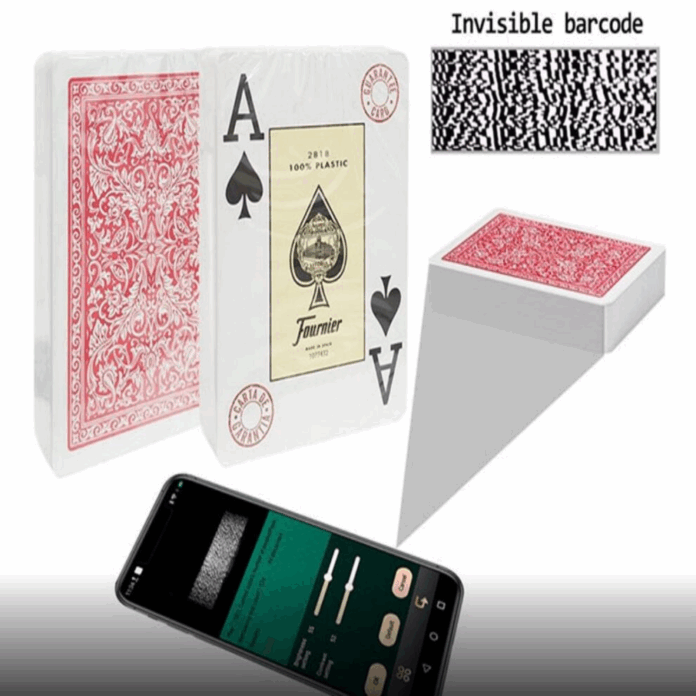
Today’s gambling devices are not mere gimmicks. They are engineered with precision, often appearing as everyday objects. These tools are designed to be covert and highly effective. Examples include marked playing cards that reveal crucial information under special lenses, hidden scanners embedded in smartphones or chips, and dice that respond to remote controls. Their sophistication is such that even experienced players may not detect them.
One such advancement gaining traction is the Three Card Poker cheating device, a tool capable of reading game dynamics and predicting favorable moves with alarming accuracy. Unlike basic tools of the past, this device integrates seamlessly with game flow, making detection incredibly difficult.
Is It Innovation or Manipulation?
This is where the debate intensifies. Some argue that if everyone has access to the same devices, it levels the playing field. Others see it as a breach of trust and fair play. The ethical concerns largely depend on the environment—home games may be more lenient, while casinos have strict anti-cheating regulations.
But there’s another side to the conversation. Devices often marketed as cheating tools are sometimes used for entertainment, training, or practice. The line between strategic enhancement and rule-breaking isn’t always clear. Just like card-counting in blackjack—legal in many places but frowned upon—the use of such tools straddles a legal and moral gray zone.
Game-Specific Devices: Tailored for Every Player
Technology has also made it easier to design devices for specific games. Poker analyzers, infrared lenses, and barcode scanners are customized for various poker variations like Texas Hold’em, Omaha, or Three Card Poker. For those looking for a more universal solution, the best poker cheating device offers multi-game support with real-time scanning, audio feedback, and compatibility with numerous card types.
These devices don’t just work in isolation. Many are part of comprehensive systems where marked cards, hidden earpieces, and camera scanners work in sync. It’s this level of integration that makes the debate over cheating vs. strategy even more complicated.
The Legal and Social Implications
Legal frameworks around the use of such devices vary widely. In regulated gaming environments, their use is strictly prohibited and can result in heavy fines or lifetime bans. But in informal or private settings, enforcement is often lax. Socially, being caught with such tools can destroy reputations and trust within a gaming circle—outcomes far more damaging than legal consequences.
It’s also worth noting that technological advancements continue to push the envelope. As devices become more advanced, gaming authorities are also improving their detection methods. This ongoing battle between offense and defense keeps the world of gambling on edge.
Conclusion
Navigating the fine line between cheating and strategy is no longer as straightforward as it once was. With technology entering the equation, players must be aware of the tools they use and the environments in which they play. For those intrigued by the latest innovations in this space, GamblingCheat8.com offers a wide range of cutting-edge gambling devices—from card analyzers to remote-controlled dice—designed for both professional use and personal exploration.