

Fashion has always been more than clothing; it is a language, a cultural tool, a creative outlet, and an expression of identity. In the modern landscape of style, many individuals and brands strive to find harmony between aesthetic appeal and deeper meaning. This balance is especially relevant when considering brands like lily arkwright, which demonstrate how fashion can fuse beauty with underlying narratives. In exploring this relationship, it becomes clear that style choices often carry significance that extends far beyond surface presentation.
At its core, fashion serves as a means of communication. People use clothing, accessories, and style details to express personality, status, beliefs, and even emotions. Yet symbolism is equally powerful. From the colors we choose to the materials we prefer, every style decision can carry an intentional or subconscious meaning. For centuries, societies have used attire to signal roles, affiliations, and values. Modern consumers now blend this symbolic history with the desire for visually appealing pieces that reflect personal taste. Finding the midpoint between the two is what shapes contemporary fashion culture.
Symbolism in fashion can be subtle or bold. Sometimes it emerges through color, such as the association of white with purity or black with sophistication and mystery. Other times it appears in motifs like stars, flowers, or animals, each carrying its own cultural weight. In minimalist style, symbolism may be reduced to shapes, cuts, and textures. What remains constant is the idea that clothes are rarely just clothes; they hold layers of meaning that resonate with viewers and wearers alike. Understanding this allows designers and consumers to make more thoughtful choices that feel both expressive and intentional.
Fashion brands often use symbolism to create unique identities and emotional connections with their audiences. This can be seen in the choice of materials, craftsmanship, and ethical stance. For instance, when brands emphasize sustainability, they communicate a symbolic message of responsibility, care for the environment, and awareness of global impact. These values weave into the visual design, transforming simple garments into statements that align with the wearer’s principles. The symbolism becomes part of the brand story, fostering trust and loyalty.
On the other hand, fashion purely for aesthetics continues to hold a strong place in the industry. People naturally gravitate toward pieces that look appealing, fit well, and allow freedom of expression. Beauty and visual charm are inherent aspects of fashion, and they should not be overlooked in the pursuit of meaning. A well-balanced approach acknowledges that fashion does not have to be excessively symbolic to be valuable. Instead, meaning can coexist with style without overshadowing it.
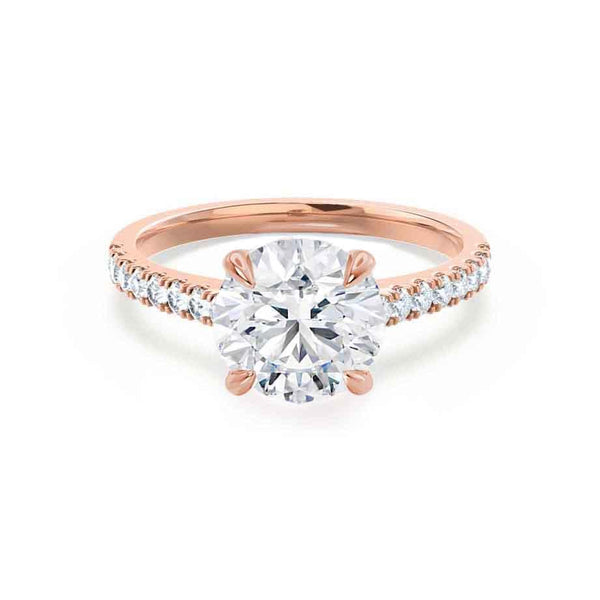
Finding balance means embracing both sides. Fashion can be a canvas for creativity and a vessel for significance. A dress may capture attention through its cut and color while representing confidence or cultural heritage. A ring may shine with elegance while symbolizing commitment. The true art lies in blending beauty with intention in a way that feels natural and authentic.
In the end, the harmony between fashion and symbolism enriches how we present ourselves to the world. It allows style to become a personal narrative shaped by aesthetics and meaning working together. As individuals continue to explore these layers, fashion becomes not just something we wear but something we live through, interpret, and share with others.