

It’s 2025, and we don’t just watch entertainment—we live it. Digital entertainment has moved from novelty to necessity, from background noise to main event. In just a few short years, we’ve gone from scheduling our fun around cable TV listings to designing entire evenings around streaming, mobile games, and interactive content.
And here’s the thing—it’s not just about filling time anymore. Digital entertainment is how we cope, connect, create, and carve out little moments of joy in our chaotic lives. Whether you’re looking for calm or chaos, challenge or chill, the digital space has something for every mood and moment.
The Netflix-ification of Everything
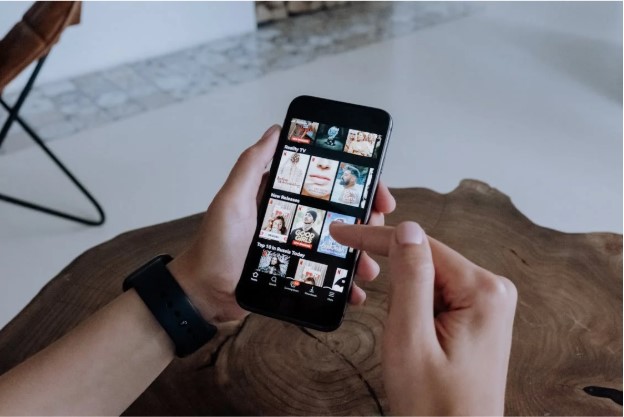
Streaming changed the game, literally. Once Netflix gave us the power to watch what we wanted, when we wanted, other platforms rushed to do the same. Now, entertainment is more than a lean-back experience—it’s curated, customized, and on-demand.
Want to binge a new docuseries while folding laundry? Easy. Need a ten-minute pick-me-up before bed? There’s an app for that. From live concerts and talk shows to niche documentaries and digital art museums, the new entertainment landscape is expansive and always evolving.
Even music streaming platforms now serve up tailored playlists based on your mood or time of day. It’s entertainment with a personal touch, and users are here for it.
Gaming Without the Pressure
Let’s talk games—because not everyone is in it to win it. While hardcore competitive gaming still thrives, the rise of casual, cozy, and low-pressure games has redefined who gets to be a “gamer.”
Mobile games, brain teasers, life sims, and simple strategy apps have exploded in popularity, not because they’re complex, but because they’re accessible. They fit into your life—between emails, during your commute, or right before bed.
And platforms like UK casino sites are part of that shift. They appeal to players looking for quick, visually rewarding gameplay that doesn’t demand hours of commitment. They’re part of a larger movement in digital entertainment: low-stakes fun that’s easy to start and satisfying to revisit.
The Social Layer
For all its on-demand power, digital entertainment isn’t a solo act anymore. Watch parties, livestreams, multiplayer games, and fandoms have turned screen time into shared time. Whether you’re reacting to a YouTube video with friends on Discord or attending a live Q&A during a virtual film premiere, you’re part of something communal—even from your couch.
TikTok creators collaborate across continents. Twitch viewers influence live gameplay. Viewers vote on reality show outcomes through apps. Entertainment today doesn’t just talk at you—it invites you to join the conversation.
This blending of content and community adds a social dimension to digital media that was once missing from traditional formats. It’s less about consumption and more about connection.
Micro-Escapes for Busy Lives
If you’ve got five minutes, you’ve got time to be entertained. One of the most powerful aspects of digital content is its ability to meet people where they are—physically, emotionally, and mentally.
Short-form content rules the internet. It’s perfect for quick breaks, stress relief, and sparking a little joy in between errands or Zoom calls. A funny clip here, a calming game there—it all adds up to what we now call “micro-escapes.”
It’s also why casual gaming and light, user-friendly experiences are trending. People don’t always want to be challenged; they want to be distracted just enough. That’s the sweet spot digital entertainment hits.
Personalized Like Never Before
Today’s entertainment isn’t just digital—it’s data-driven. Algorithms learn what you like, when you like it, and how long you’ll engage with it. Your feed? Curated. Your recommendations? Tailored. Even the ads feel creepily spot-on.
This hyper-personalization helps people feel seen, especially when life feels overwhelming. Whether it’s a playlist that matches your mood or a game that reflects your favorite visuals and themes, it feels like the platform “gets” you.
And while this can sometimes feel a bit too targeted, it also makes it easier to discover new creators, shows, or games you’d genuinely enjoy—without endless searching.
Blending Reality and Fantasy
Digital entertainment now exists in an interesting space between real and unreal. AR filters, VR headsets, and AI-enhanced content are blurring the lines between what’s scripted and what’s spontaneous.
Virtual reality concerts, metaverse meetups, and augmented reality games are introducing new ways to be entertained. You’re not just a viewer or player anymore—you’re part of the experience.
This level of immersion, while still niche, is quickly growing. As tech becomes more accessible, expect more platforms to push the boundaries between content and reality.
Entertainment as Emotional Support
Let’s not ignore the emotional role digital entertainment plays. A go-to playlist can lift your mood. A comfort show can calm your anxiety. A funny video can distract you from burnout. In many ways, digital content has become a mental wellness tool—one we turn to instinctively.
It’s not a replacement for therapy or deep connection, but it is a modern coping mechanism. And when used mindfully, it can be both comforting and restorative.


